Taylor Brooks · 1 September 2026
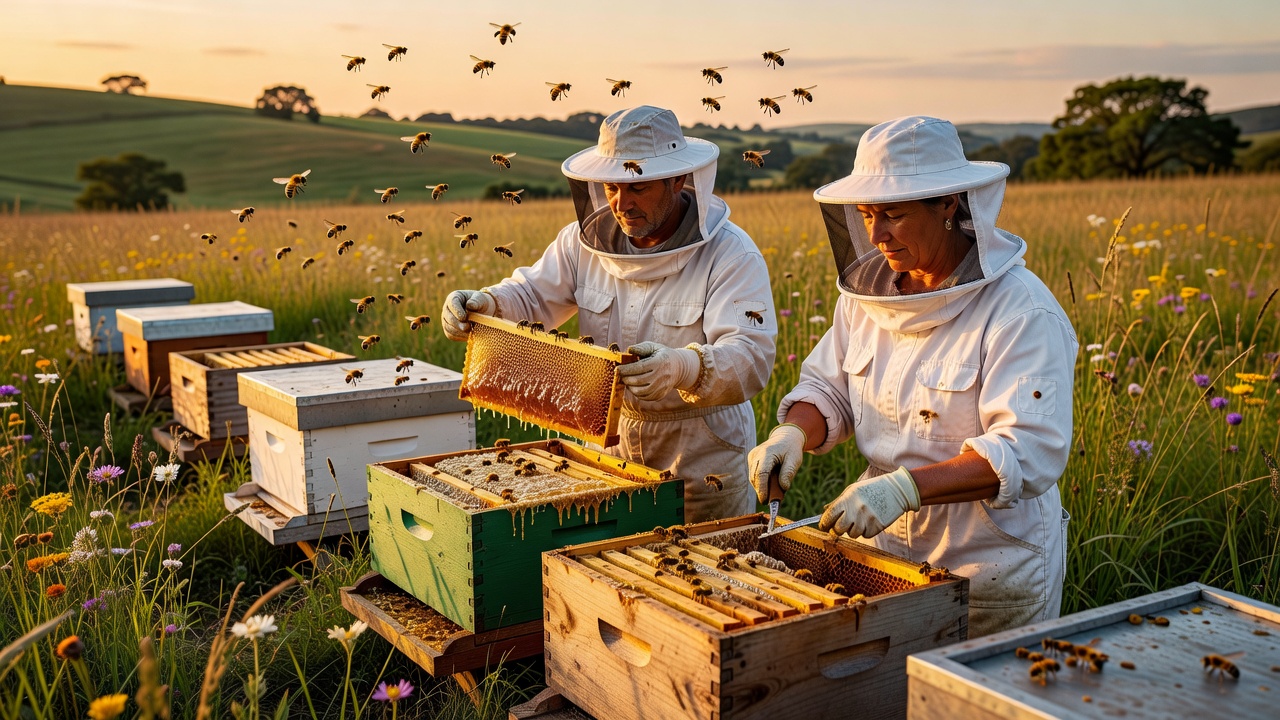
Local beekeepers across the Waldora Forest community have reported record honey yields this season, with several apiaries producing up to 40 percent more than average annual figures. The increase stems from mild winter temperatures that reduced colony losses and an extended bloom period for native wildflowers and clover. Beekeepers attribute much of the success to consistent rainfall that supported diverse forage without flooding hives.
Weather Patterns Drive Colony Strength
Forestry records show above-average precipitation from March through June, which sustained nectar flows longer than typical. This allowed colonies to build larger populations before the main harvest. Experts note that reduced pesticide use in surrounding woodlands also contributed to healthier bees. One keeper managing 120 hives near the eastern ridge reported extracting 2,800 kilograms of honey, the highest volume in two decades of operation. Similar gains were recorded at smaller operations, where yields averaged 35 kilograms per hive compared with the usual 25 kilograms.
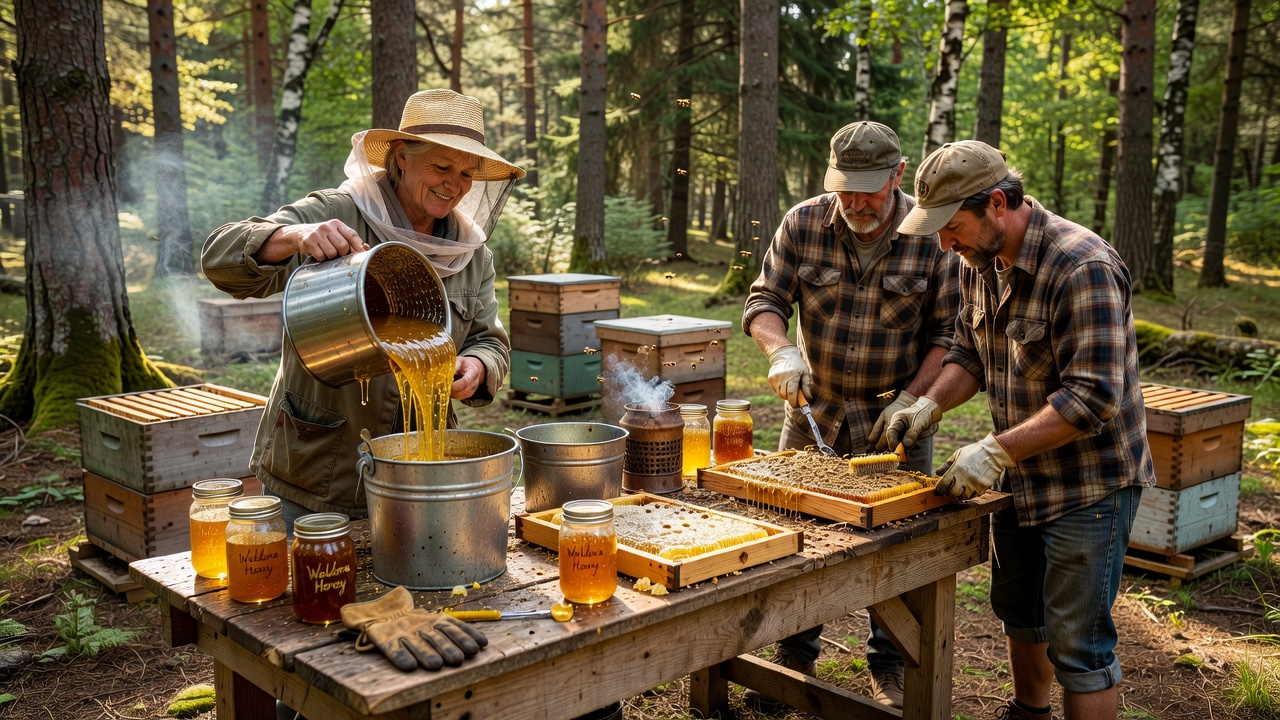
Harvesting began in late July and continued into early September, with crews working in shifts to manage the volume. Equipment suppliers in the area noted increased demand for additional extractors and storage tanks. Quality tests conducted by the regional agriculture office confirmed high moisture content within safe limits and strong flavor profiles consistent with forest-sourced nectar.
Economic and Ecological Benefits for Residents
The surplus has boosted local sales at community markets and online outlets, with several keepers expanding distribution to nearby towns. Revenue gains are expected to support equipment upgrades and educational workshops for new beekeepers. Ecologically, stronger colonies improve pollination services for native plants and nearby orchards, supporting biodiversity in the forest. Organizers plan to monitor overwintering success to determine whether the trend continues next year. Community leaders have highlighted the results as evidence of sustainable land practices benefiting both residents and pollinators.